
58 kilos. This is the average weight of hygiene waste that a French child produces during their first year alone. Disposable diapers still reign supreme, even though reusable alternatives exist: they are often tucked away in the cupboard, sacrificed on the altar of time or convenience. As the seasons change, the needs and logistical constraints of young parents shift, forcing them to adjust their purchases and routines. All this family organization ends up weighing heavily, both on the planet and on mental well-being. However, some habits, adopted without revolution, truly lighten the load, without sacrificing either well-being or the tranquility of the home.
Why adopting eco-responsible gestures changes the lives of young mothers
Choosing eco-responsible gestures in daily life is not just a passing trend; it is a concrete transformation of routine. From the moment they return home, days fly by: interrupted nights, first steps into parenthood, a sometimes precarious balance between caring for the baby and preserving mental health. Every detail matters. Lightening daily life, limiting waste, focusing on quality rather than accumulation gives meaning and frees the mind. Less overconsumption also means fewer items to manage, store, and buy. Mental health is preserved.
Mothers, often on the front lines of organizing the home and managing tasks, notice this transformation over time. The family environment shapes well-being, for both the parent and the child. Here are some accessible gestures that can really make a difference:
- Replace disposables with reusable solutions, both for the baby and the home.
- Structure spaces to save time: every item has its place, and mental load is lightened.
- Favor short supply chains for food: less footprint, better quality on the plate.
The site La Vie des Mamans shares testimonials, practical advice, and analyses that speak truthfully about the ups and downs of parental daily life. Relying on these experiences allows for making choices suited to one’s constraints, desires, and personal history. Motherhood is invented and adjusted according to each individual. Adopting responsible gestures is not yielding to external pressure; it is taking back control over one’s balance, for oneself, for one’s children, throughout the postpartum period and beyond.
What simple tips can combine motherhood and ecology throughout the seasons?
Advice to simplify mothers’ lives is not limited to miracle recipes but is rooted in the ever-changing daily life of each family. Organization, fatigue, and the first months with the baby impose a certain flexibility. Adapting routines to the season is already a step towards efficiency: in winter, cook soups with market vegetables, rich in vitamins and easy to prepare in quantity. In summer, think of zero-waste picnic outings, with washable wipes and water bottles that go everywhere.
To lighten the mental load, a few simple reflexes make a difference: prepare weather-appropriate outfits the night before, keep essential baby accessories in easily accessible baskets. Investing in adjustable clothing that follows the child’s growth also limits unnecessary purchases.
Here are examples of routines to implement according to the needs of the home and family:
- On the maintenance side: prioritize natural products, like a ready-to-use white vinegar spray, safe for little ones.
- In the kitchen: establish a simple meal plan based on seasonal products to avoid waste and repeated shopping trips.
- Upon returning from maternity: prioritize skin-to-skin time, allow for moments of calm, delegate if possible. Family members can prepare meals or help around the house, leaving more space for the mother-child relationship.
Balance is built over the seasons: each period brings its challenges, but also its solutions. Far from an impossible quest for perfection, ecological motherhood is rooted in daily attentiveness, for oneself, for the children, and for the home.
Positive routines for a serene postpartum experience that respects the planet
Supporting the mental health of mothers starts with offering them concrete routines designed for postpartum needs, without giving up their ecological convictions. In the first weeks, the body requires special attention: prioritize rest, increase micro-naps, and stay well-hydrated to support lactation if breastfeeding is chosen.
Simplicity, practiced regularly, structures the days. For personal care, gentle products from responsible sources respect the fragile skin after childbirth. An artisanal superfat soap and a few washable wipes are enough to limit environmental impact without overwhelming oneself.
To reinforce this dynamic, it can be helpful to:
- Set up a quiet corner for breastfeeding or bottle-feeding, away from screens and distractions.
- Establish a meal rotation among close ones to lighten meal preparation and ensure balanced nutrition.
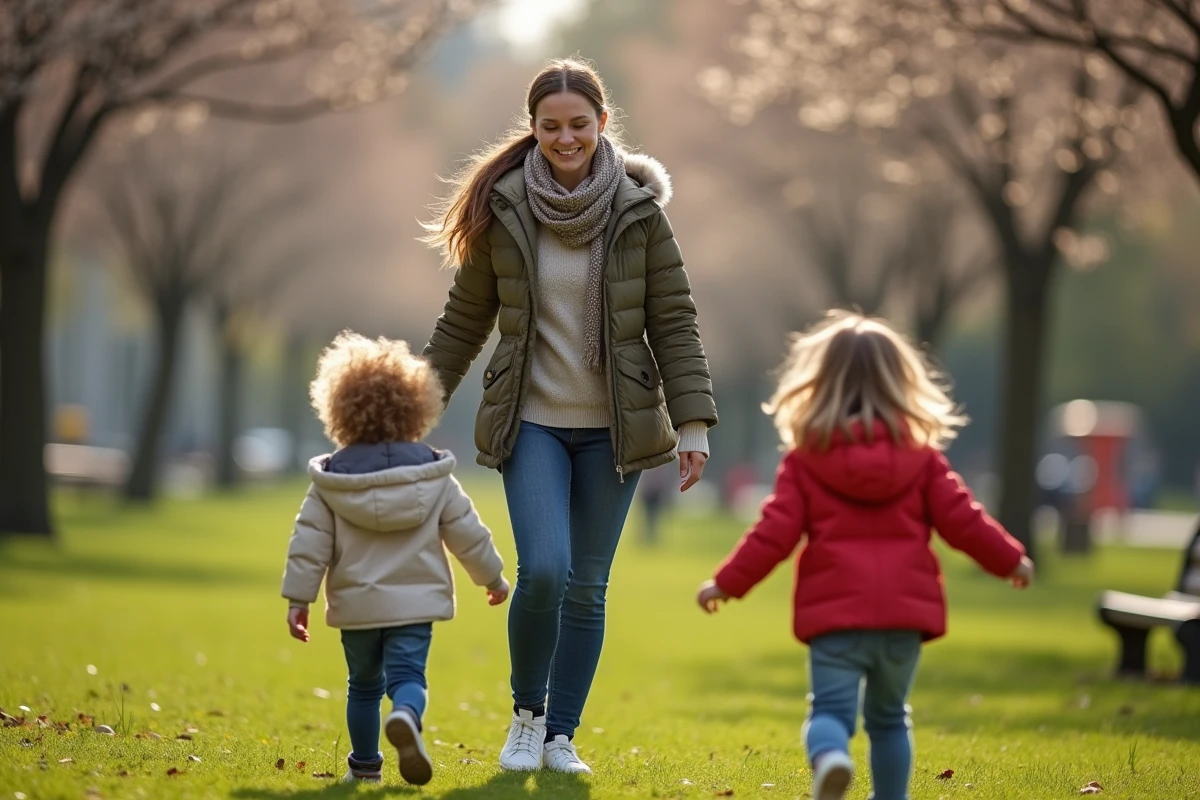
- Take a ten-minute walk outside with the baby, even in the neighborhood, to boost morale and strengthen the parent-child bond.
Social media and podcasts are also valuable resources. Sharing one’s journey, finding support and advice from communities engaged in postpartum issues, and listening to other voices, away from pressures, allows for perspective and progress at one’s own pace. Each person can then feel less isolated in the face of upheaval and reinvent a balance that suits them day by day.