
In the field of calligraphy, writing uppercase letters is often seen as a pinnacle to achieve, requiring precision and elegance. These grand characters, which begin sentences and proper names, carry within them a visual strength and structural beauty that captivates the eye. Calligraphers, whether amateurs or seasoned professionals, continuously seek to refine their technique so that each stroke expresses perfect harmony. To this end, tips can be implemented, allowing for progress in mastering the complex contours and delicate ornaments that define the art of calligraphy.
The Fundamentals of Uppercase Calligraphy
Calligraphy, recognized as a form of art, draws its essence from mastering cursive writing, where the free and connected gesture gracefully shapes uppercase letters. This demanding technique relies on the subtle alternation of thicks and thins, these variations in thickness that give volume and depth to each character. The natural elegance of a cursive uppercase T or the presence of a majestic S, for example, depend on this dynamic between strength and finesse, shadow and light.
In the practice of modern calligraphy as well as traditional calligraphy, the choice of calligraphy pen is crucial. The preferred instrument of this art must be an extension of the artist’s hand, offering freedom of movement while ensuring the precision necessary for creating elegant letters and designs. Whether opting for a rigid nib or a flexible-tipped marker, each tool influences the shape and style of the uppercase letters, shaping the unique character of the calligraphic work.
Consider these foundations as the pillars upon which the entire edifice of uppercase calligraphy rests. Continuous practice, which combines careful observation and methodical repetition, allows one to absorb the nuances that make all the difference. Modern calligraphy invites a freer exploration of forms, while traditional calligraphy requires scrupulous adherence to classical standards. This creative tension between innovation and tradition forges excellence in the art of beautiful writing.
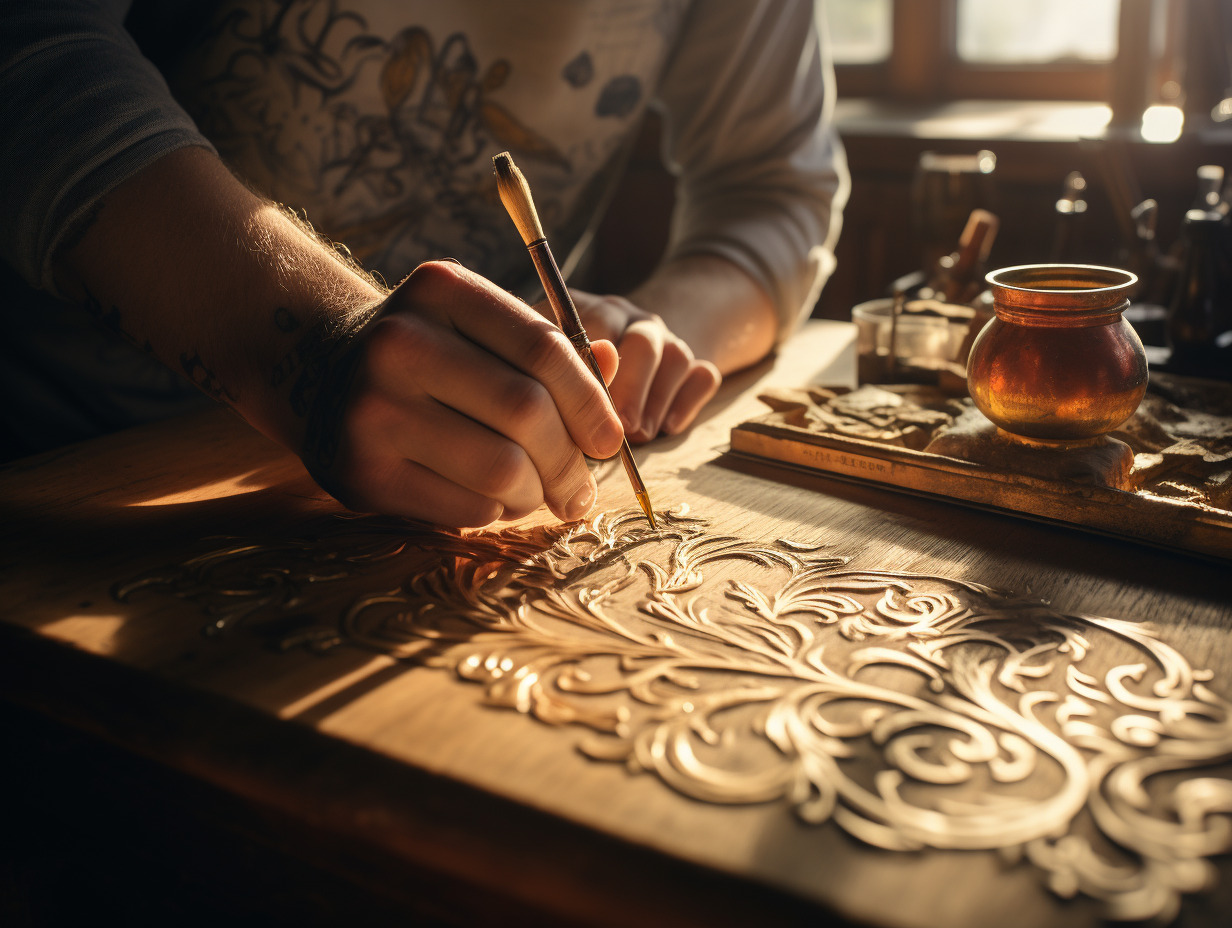
Techniques and Tips for Perfecting Uppercase Calligraphy
Learning calligraphy is akin to an initiatory journey in which each step, each stroke counts. Daily practice is the foundation upon which the progress of the calligrapher rests. It allows one to gradually tame the subtleties of thicks and thins, these variations in pressure that animate uppercase letters with a life of their own. For those embarking on this path, acquiring a linked and fluid handwriting is the first goal to achieve.
Learning modern or traditional calligraphy requires suitable equipment, and the choice of materials should not be overlooked. The brush pen, for example, offers interesting flexibility for beginners wishing to explore the nuances of thicks and thins without the rigidity of a traditional nib. This modern alternative makes the art of calligraphy accessible, encouraging novices to experiment with fewer technical constraints.
The tips for perfecting uppercase letter writing are numerous and often specific to each character. Mastering the art of calligraphy involves understanding the structure and shape of each letter, breaking down its curves and straight lines, in order to reassemble them with harmony and balance. Observing the work of masters, drawing inspiration from their creations while developing one’s own style, is the path to excellence in this delicate art of beautiful writing.